Weeds up close: EWRS Weed Identification Training Course in Prague
Posted on November 7th, 2026 on 15:34:02 by M. Kolarova
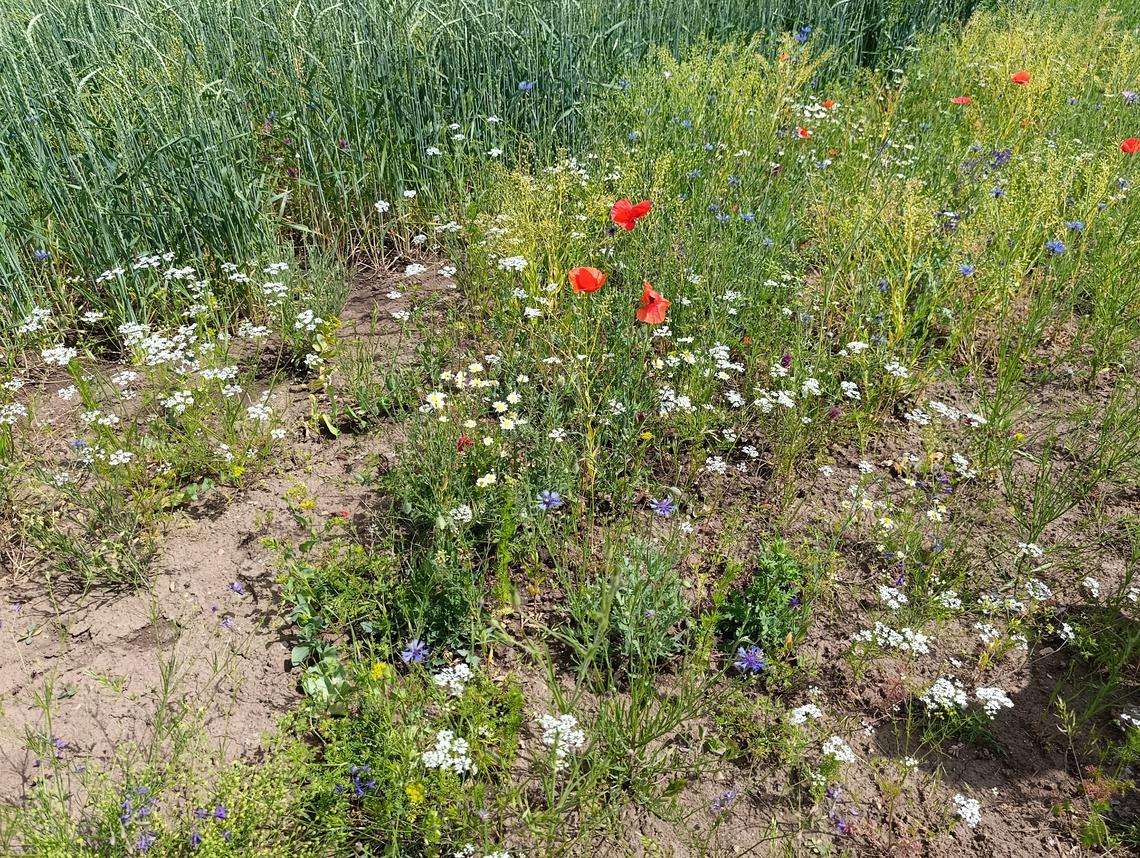
On 1–2 June 2026, the Czech University of Life Sciences Prague hosted the EWRS Weed Identification Training Course.
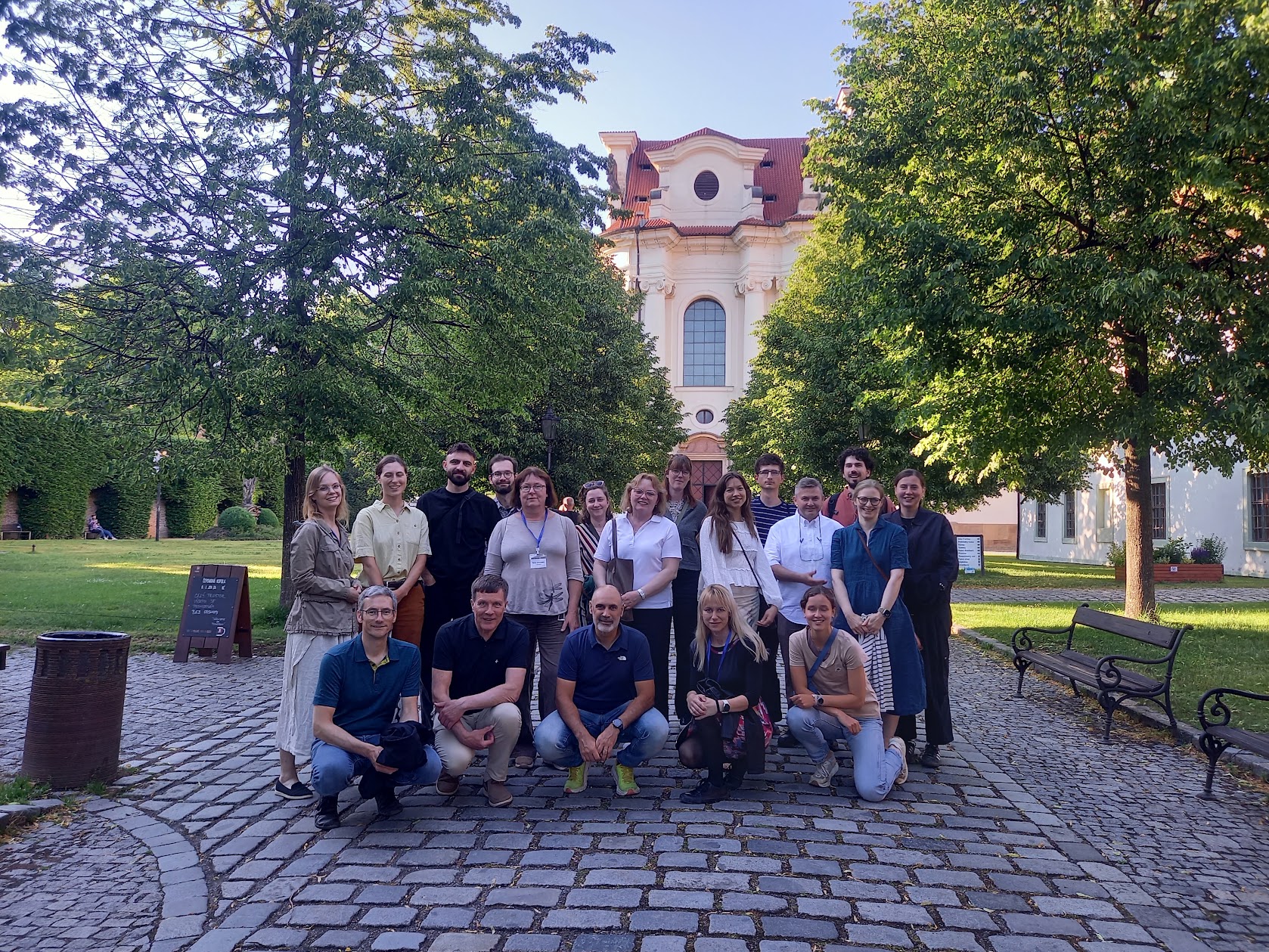
On 1–2 June 2026, the Czech University of Life Sciences Prague (CZU) hosted the Weed Identification Training Course, organised jointly by two EWRS Working Groups: Weed Vegetation and Biodiversity and Soil Seed Bank, Germination and Early Growth. Over two intensive days, 25 participants, 12 of them students, learned to recognise arable weeds at every stage of their life cycle, from seed to seedling to flowering plant.
The group was truly international, with participants from 14 countries: Belgium, Croatia, the Czech Republic, Denmark, Finland, Germany, Greece, Latvia, Lithuania, the Netherlands, Poland, Spain, Sweden and the United Kingdom. The largest groups came from Sweden and Germany.
The course was scientifically organised by the Working Group leaders Alexander Menegat (SLU, Sweden) and Aritz Royo-Esnal (University of Lleida, Spain), with local organisation by Michaela Kolářová and Pavel Hamouz (CZU). The lectures and practical sessions were taught by Pavel Hamouz and Aritz Royo-Esnal, and participants worked with A Handbook of Weed Seedlings (Hamouz & Hamouzová, 2016) throughout. Students earned 3 ECTS credits for completing the course.
Day 1: from seeds to the field
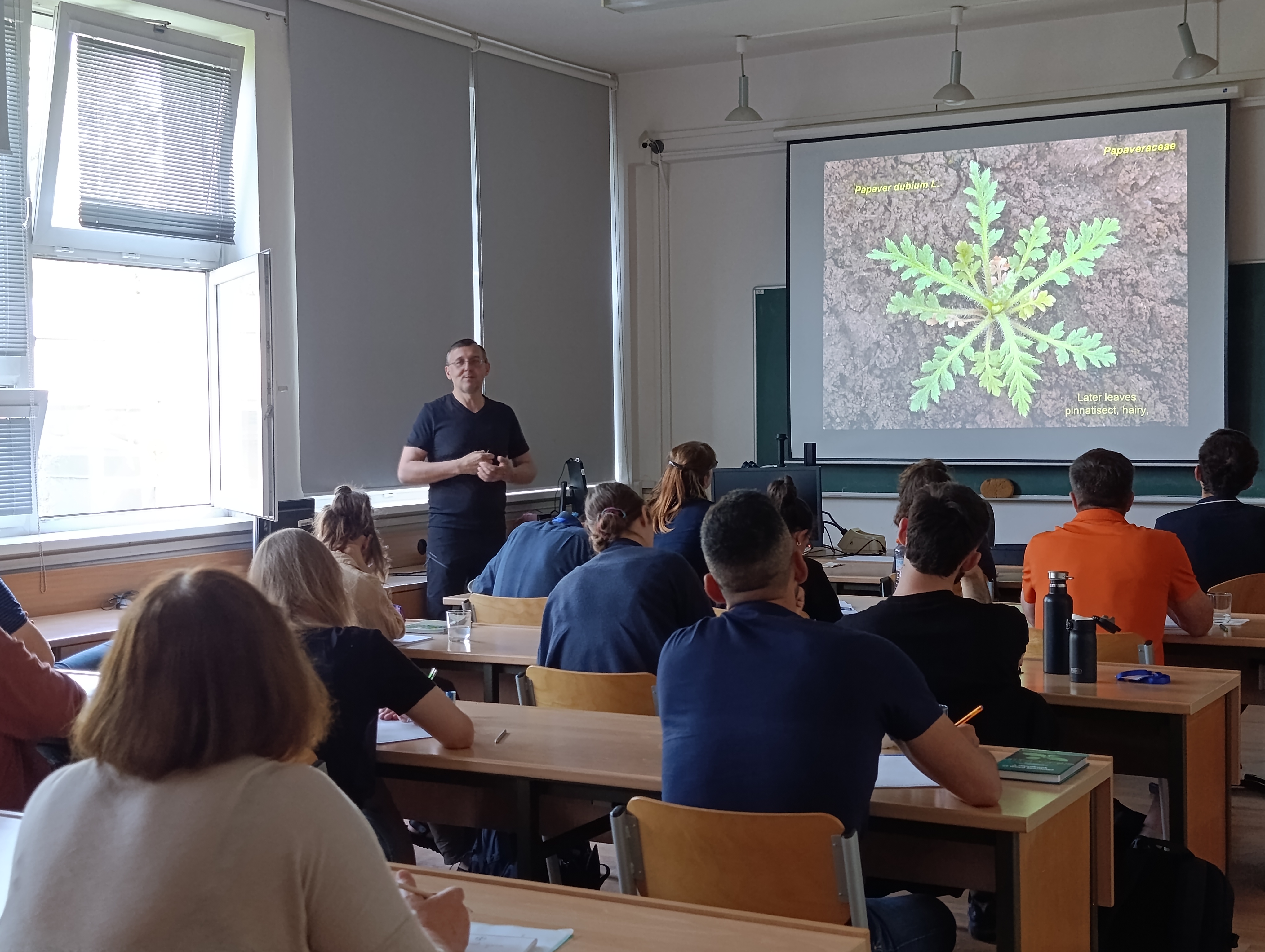
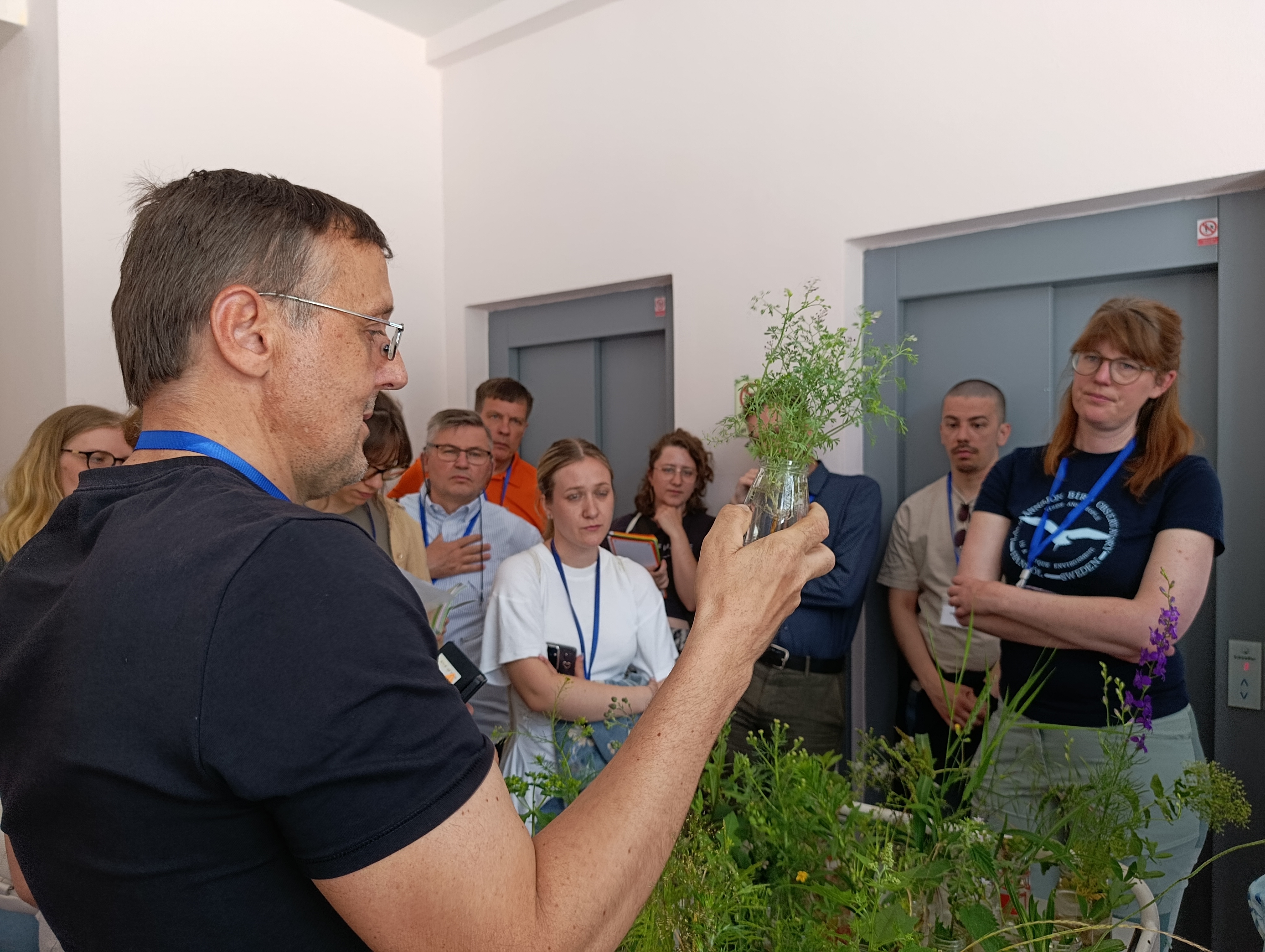
The course opened with a welcome reception on campus on Sunday evening. Monday began with two lectures on the key traits used to identify dicot and monocot weeds, with a strong focus on the seedling stage, when correct identification matters most for weed management.
In the afternoon, attention shifted to the soil seed bank. A lecture on identifying common and rare weeds by their seeds was followed by a hands-on session in which participants assembled their own reference seed collections. The day ended outdoors, with a first field session on common and rare arable weeds.
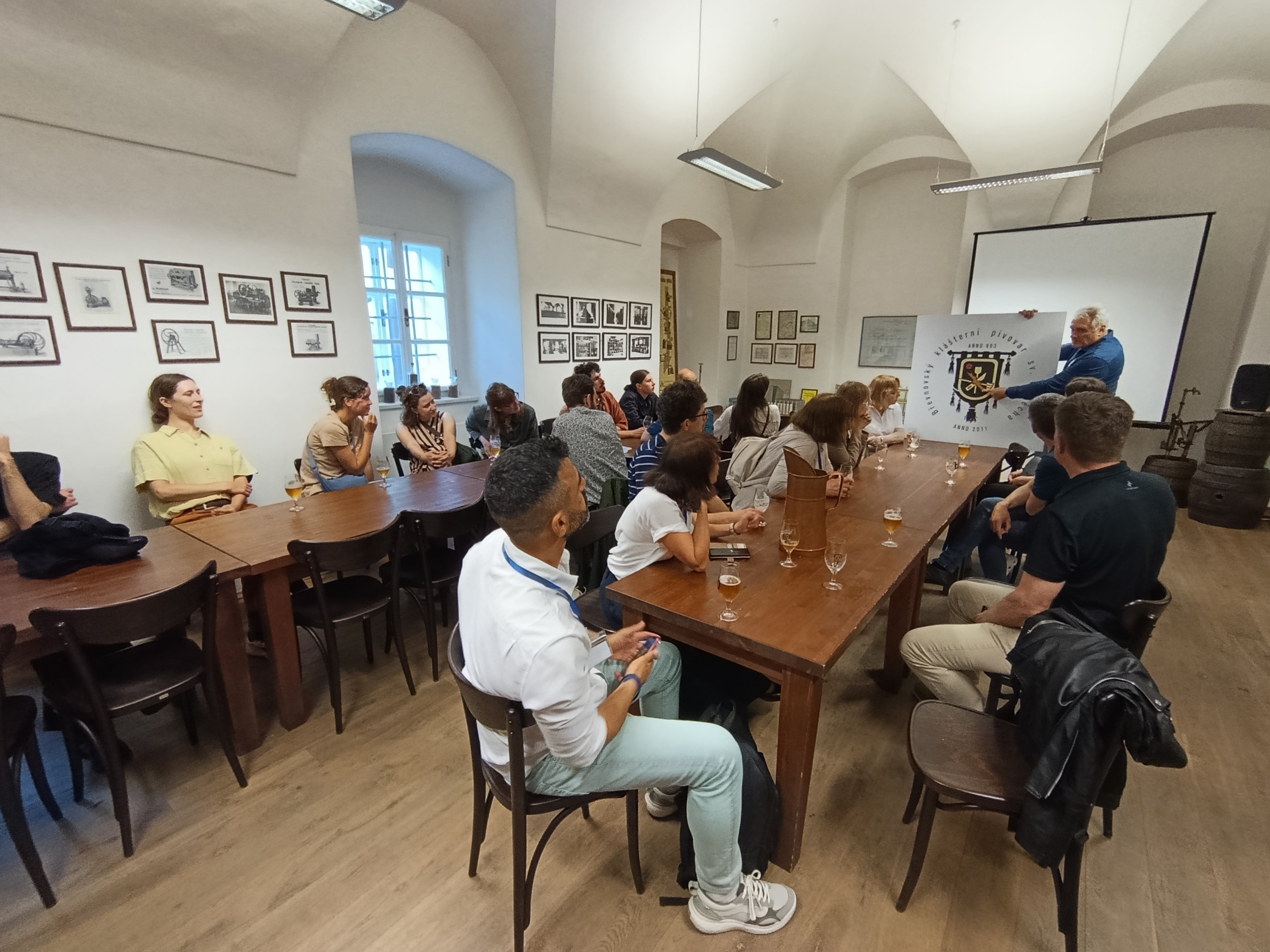
In the evening, the group travelled to Břevnov Monastery, the oldest male monastery in Bohemia, founded in 993. A guided tour of the monastery brewery was followed by a communal dinner of traditional Czech food, where the discussions about weeds continued.
Day 2: rare and endangered arable weeds
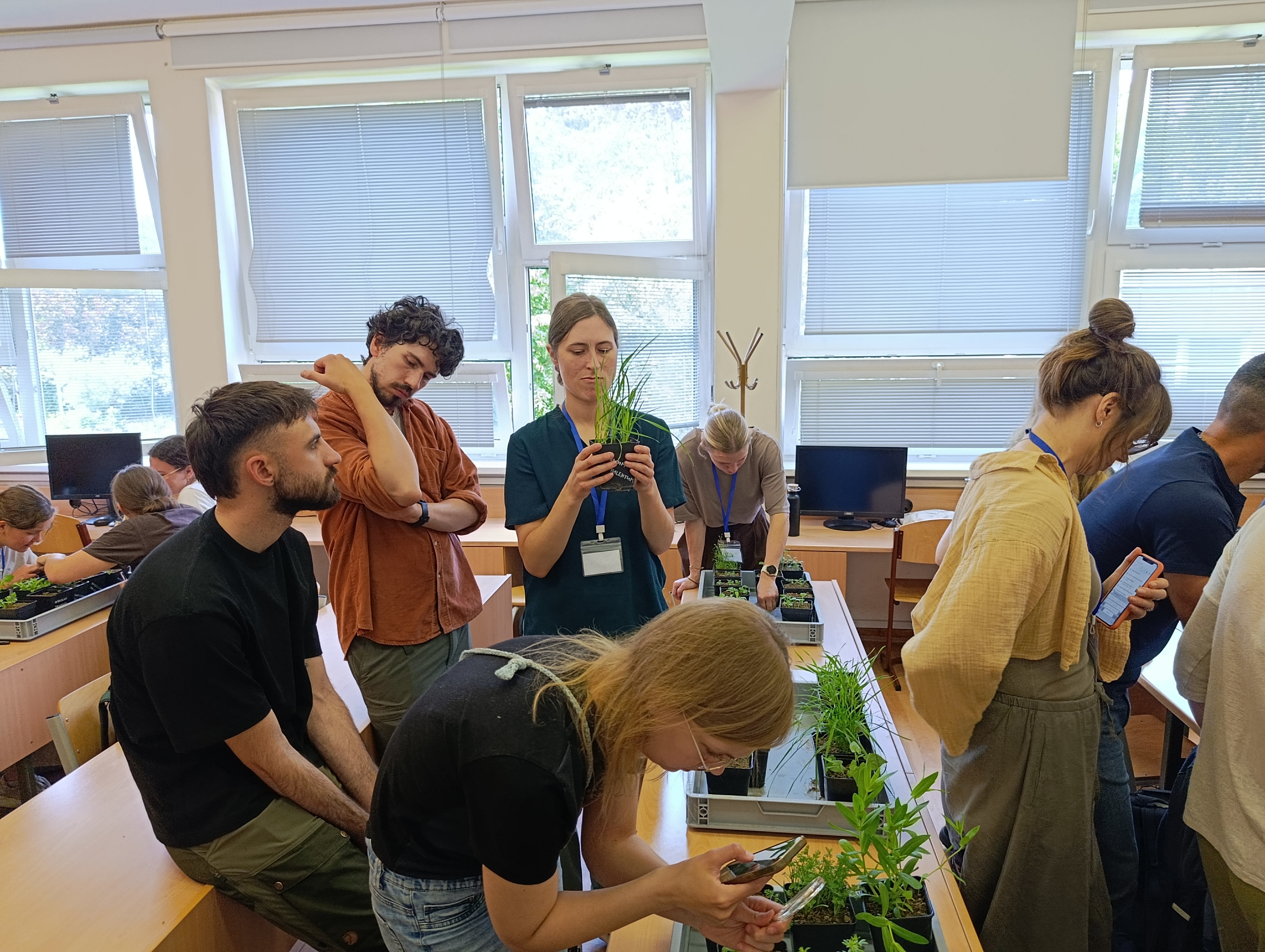
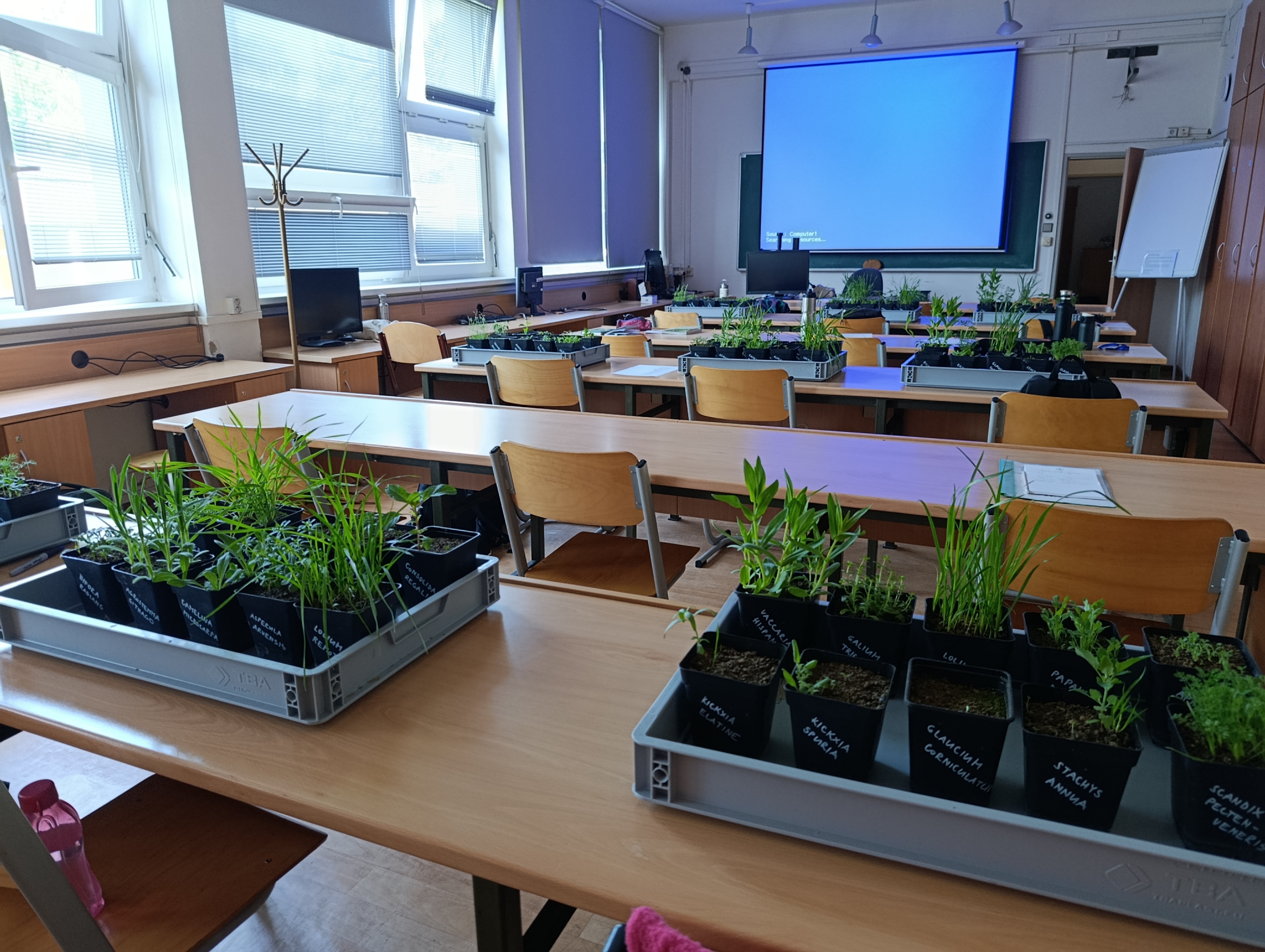
The second day was devoted to the rare and endangered species of arable fields, a group that is declining across Europe and that many participants rarely see in their own countries. After a morning lecture on their key traits, participants examined live specimens in the laboratory.
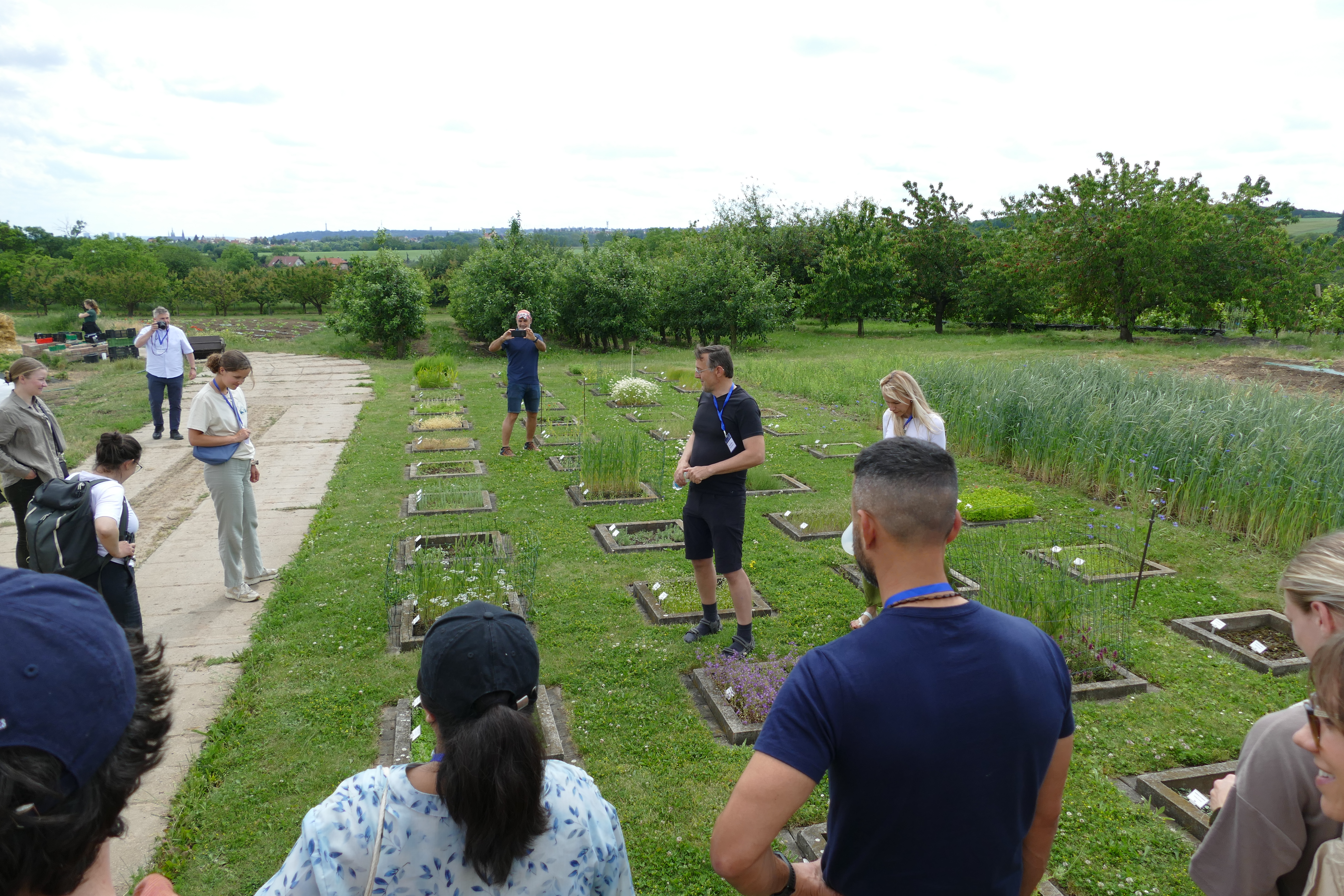
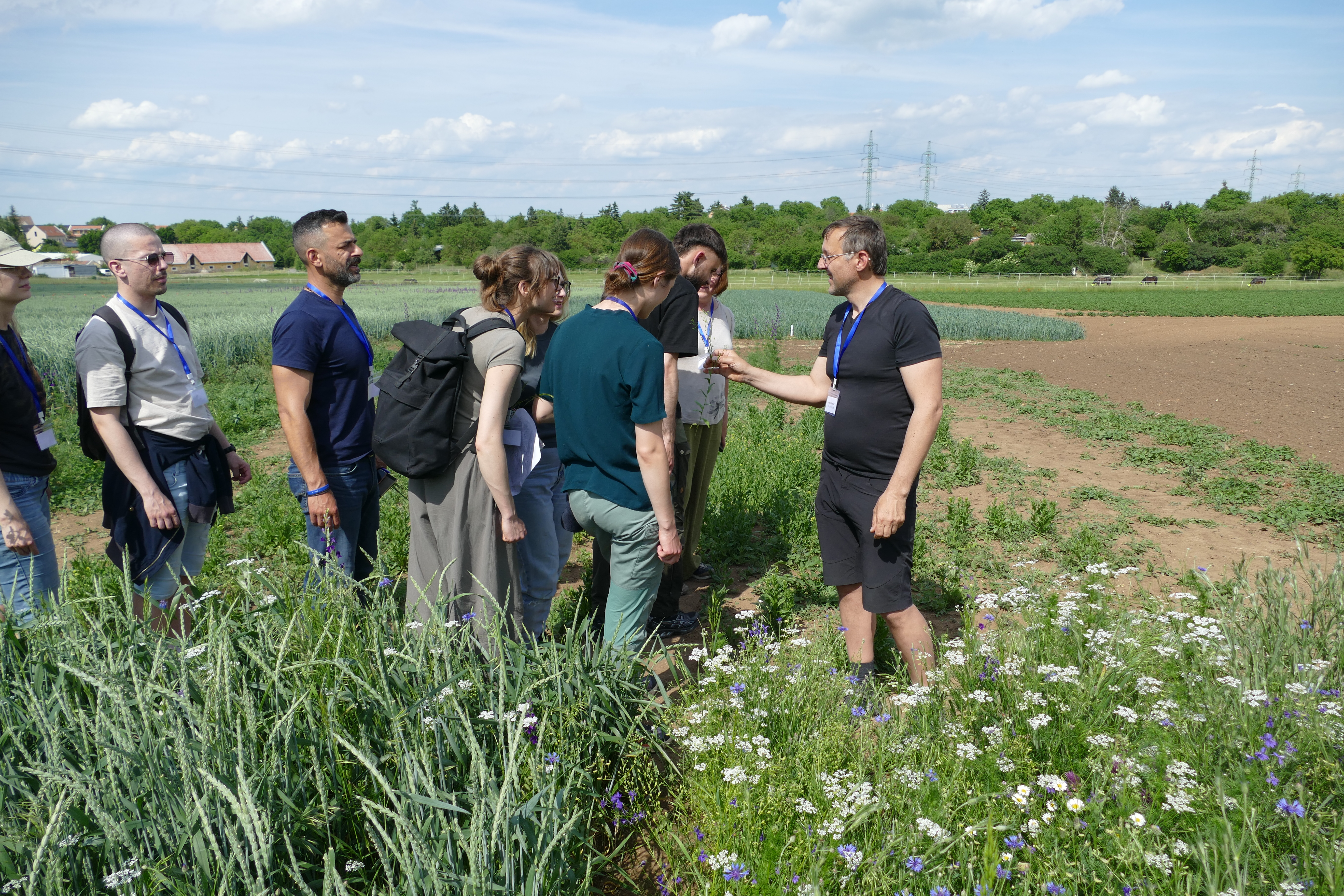
The afternoon field session took the group to a garden of rare and endangered weed species and to two experimental sites with plots of sown rare species. Seeing these plants growing in a crop setting gave participants a chance to practise identification under real field conditions.
The course closed with a skills challenge reviewing the species learned over the two days, followed by the presentation of certificates to the students.
.jpg)
Thank you
We thank all participants for their enthusiasm and curiosity, the teachers for sharing their expertise, and the Czech University of Life Sciences Prague for hosting the course. We hope the skills gained in Prague will be useful in the field, and we look forward to the next EWRS training event.
7 x viewed | 0 Likes -
Message to the author

Filter by theme
Filter by Working Group
How can I submit a post?
We would like to welcome you as a contributing author for the EWRS blog. Please contact the Communication Officer, Camilla Moonen. She can give you writing access to the blog. After that, you can start writing articles for the blog, from the 'My Account page'. More information can be found on the "How to use the Blog page".